Is shoulder pain making it difficult to reach, lift, work or sleep?
Pain around the shoulder or upper arm can make everyday activities difficult—from getting dressed and reaching overhead to lifting, working and lying on the affected side.
At Benowa Integrated Health, we assess persistent shoulder pain to determine whether it may involve the rotator-cuff tendons and whether radial shockwave therapy is appropriate for your presentation.
Unsure whether to book? Request a No-Charge 10-Minute Call
Benowa, Gold Coast · Initial appointment $132 · No referral required


Does this sound like your shoulder pain?
What rotator-cuff-related shoulder pain can feel like
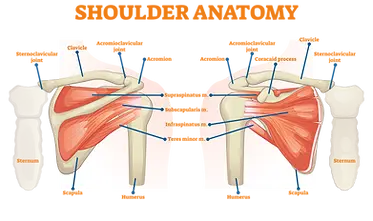
The rotator cuff is a group of muscles and tendons that helps move, control and stabilise the shoulder.
Symptoms associated with rotator-cuff-related shoulder pain can include:
-
Pain around the outside or front of the shoulder
-
Pain extending into the upper arm
-
Discomfort when reaching overhead
-
Pain when lifting or lowering the arm
-
Difficulty reaching behind your back
-
Pain when putting on a shirt, jacket or seatbelt
-
Discomfort when lifting, pushing or pulling
-
Pain when lying on the affected side
-
Reduced strength or confidence when using the arm
-
Symptoms during work, gym exercises, swimming or throwing
-
A painful arc as the arm moves through part of its range
These symptoms can arise from several conditions. They do not establish that a particular tendon is damaged or that shockwave therapy will be suitable.
What is rotator-cuff-related shoulder pain?
The rotator cuff consists of four muscles and their tendons. Together, they help position and control the upper arm within the shoulder joint.
Pain may develop after:
-
Increasing lifting, gym or sporting activity
-
Repetitive overhead work
-
A change in training volume
-
Returning to activity after a break
-
Repeated reaching or manual work
-
A fall or other shoulder injury
-
Gradual changes without one identifiable incident
Terms such as rotator-cuff tendinopathy, bursitis, impingement and subacromial pain are sometimes used to describe overlapping shoulder presentations.
Shoulder pain may also come from:
-
Frozen shoulder
-
Osteoarthritis
-
The neck or nervous system
-
A significant rotator-cuff tear
-
Joint instability
-
Fracture or dislocation
-
Referred pain from another part of the body
Assessment is therefore important before selecting treatment.
Is radial shockwave therapy appropriate for calcific tendinopathy?
Research supports radial shockwave therapy as a treatment option for selected people with confirmed calcific shoulder tendinopathy. It may help reduce pain and improve shoulder function, particularly when combined with appropriate rehabilitation. Individual results vary, and suitability is determined following assessment.
Yao et al. (2025), “Treatments for rotator cuff calcific tendinitis: a systematic review and network meta-analysis of randomized-controlled trials.”
It included:
-
33 randomised controlled trials
-
26 treatment approaches
-
Comparisons of physical therapy, radial and focused shockwave treatments, needling, injections and surgical approaches
The analysis found:
-
Radial shockwave therapy plus physical therapy ranked first for pain relief
-
Comprehensive physical therapy ranked first for functional improvement
-
High-energy ESWT plus physical therapy ranked second for functional improvement
-
The authors concluded that radial shockwave therapy plus physical therapy significantly alleviated pain
Read the full systematic review
Important qualification
The authors also noted that the limited number and quality of trials reduced certainty, and statistical differences between many treatments were not significant. Therefore, it supports radial shockwave as a reasonable treatment option—not a guaranteed or universally superior treatment.
When shoulder pain needs urgent medical attention
Call Triple Zero on 000 if shoulder or arm discomfort occurs with:
-
Chest pain, pressure or tightness
-
Shortness of breath
-
Sweating, nausea, dizziness or feeling faint
-
Pain spreading from the chest into the arm, shoulder, back, neck or jaw
Shoulder pain can occasionally be associated with a heart attack. Healthdirect shoulder-pain guidance
Seek prompt medical assessment if:
-
The shoulder is visibly deformed following an injury
-
You cannot use or move the arm after an injury
-
There is sudden, severe pain or swelling
-
You suspect a fracture or dislocation
-
Sudden weakness developed after a fall or lifting injury
-
The shoulder is red, hot or swollen
-
You have a fever or feel generally unwell
-
You have persistent numbness, tingling or loss of sensation
-
The arm or hand becomes unusually pale, blue, cold or swollen
-
Pain is severe at rest or repeatedly wakes you
-
You have unexplained weight loss, night sweats or worsening symptoms
-
You have had recent surgery or an injection and the area is becoming increasingly painful
If you are uncertain about the urgency of your symptoms, contact your GP or call Healthdirect on 1800 022 222.
How we assess your shoulder pain
Your first appointment
Your initial appointment begins with a review of your symptoms, medical history, work and activity demands.
Brett may ask about:
-
Where the pain is located
-
Whether symptoms began gradually or after an injury
-
Which movements aggravate the pain
-
Pain when sleeping or lying on the affected side
-
Changes in strength or movement
-
Work, gym, sporting or overhead activities
-
Previous shoulder or neck problems
-
Previous treatment, injections or surgery
-
Existing X-rays, ultrasound or MRI results
-
Relevant medical conditions and medications
-
What you want to return to doing
The physical assessment may consider:
-
Active and passive shoulder movement
-
Pain during reaching and lifting
-
Shoulder and upper-arm strength
-
Tolerance of resisted movement
-
Neck movement and possible referred symptoms
-
Functional activities relevant to your work or sport
-
Whether the presentation suggests stiffness, instability or acute injury
No single physical test can confirm the cause of every shoulder presentation. Findings are considered together.
Is imaging required?
Imaging is not always required for shoulder pain. It may be recommended when:
-
Calcific tendinopathy is suspected but has not been confirmed
-
Symptoms began after significant trauma
-
A substantial tendon tear is suspected
-
There is marked weakness or loss of function
-
Symptoms are unusual
-
The result would change treatment
-
Progress is not occurring as expected
If you already have an X-ray, ultrasound or MRI report, bring it to your appointment.

Is radial shockwave therapy suitable?
Radial shockwave therapy may be considered only after the likely source of shoulder pain has been assessed.
It may be considered when:
-
Calcific rotator-cuff tendinopathy has been identified
-
Symptoms and imaging findings are clinically consistent
-
Pain has persisted despite appropriate initial management
-
Relevant contraindications and precautions have been excluded
-
The proposed treatment, limitations and alternatives have been explained
If shockwave is not appropriate, management may instead include:
-
Activity modification
-
Progressive strengthening
-
Movement and load-management advice
-
Referral for medical assessment
-
Imaging when clinically indicated
-
Discussion of other appropriate treatment options
Treatment cannot be guaranteed before assessment.
What shockwave treatment involves
Radial shockwave therapy uses a handheld applicator to deliver controlled acoustic pressure waves to a selected treatment area.
When treatment is considered appropriate:
-
Your symptoms and relevant imaging are reviewed.
-
The proposed treatment area is identified.
-
Gel is applied to the skin.
-
The applicator delivers pressure waves to the selected area.
-
Intensity is adjusted according to your presentation and tolerance.
-
Your response is reviewed before further treatment is recommended.
The treatment can feel uncomfortable or sensitive. Intensity can be adjusted during the appointment.
Temporary effects may include:
-
Local soreness
-
Redness
-
Tenderness
-
Mild swelling
-
Temporary aggravation of shoulder symptoms
Tell the practitioner if you experience unexpected pain, neurological symptoms or symptoms outside the treatment area.
Shockwave therapy and shoulder rehabilitation
Treatment should address function as well as pain
Whether or not shockwave therapy is appropriate, rehabilitation may be needed to improve the shoulder’s capacity for reaching, lifting, work or sport.
Depending on the assessment, management may include:
-
Temporary modification of aggravating activities
-
Gradual shoulder-strengthening exercises
-
Rotator-cuff and shoulder-blade exercises
-
Progressive exposure to reaching and lifting
-
Advice about work or gym activity
-
A staged return to overhead sport
-
Monitoring symptoms during and after exercise
Complete rest is not always necessary. The appropriate activity level depends on the cause, severity and behaviour of the symptoms.
What results should you expect?
The aim of management is to reduce symptoms and improve your ability to use the shoulder during everyday, work and recreational activities.
Results vary and no outcome or recovery timeframe can be guaranteed.
Your response may be influenced by:
-
The cause of the shoulder pain
-
Whether calcific tendinopathy is present
-
The size and location of any deposit
-
How long symptoms have been present
-
Strength and movement limitations
-
Work and sporting demands
-
Relevant health conditions
-
Previous injury or surgery
-
Adherence to activity and exercise recommendations
Progress should be reviewed rather than committing every patient to a predetermined treatment package.
Costs and appointment information
Initial Shoulder Assessment
Fee: $132
Location: 321 Ashmore Road, Benowa QLD 4217
Referral: Not required
Duration: 30min
Your appointment includes a health-history review and physical assessment.
Radial shockwave treatment will only be provided where the presentation is considered appropriate. If calcific tendinopathy needs to be confirmed, further imaging or medical assessment may be recommended before treatment.
Frequently asked questions
Is shockwave therapy suitable for every type of shoulder pain?
No. Shoulder pain has many possible causes. Current clinical guidance does not recommend shockwave therapy for non-calcific rotator-cuff tendinopathy. It may be considered in selected cases involving calcific tendinopathy following assessment.
What is calcific shoulder tendinopathy?
Calcific tendinopathy involves a calcium deposit within a rotator-cuff tendon. It is generally identified through an X-ray or ultrasound. The imaging finding must still be considered alongside your symptoms and assessment.
Do I need an X-ray or ultrasound first?
If calcific tendinopathy has not been confirmed, imaging may be recommended before shockwave therapy is considered. Imaging is not automatically required for every type of shoulder pain.
What if my scan shows a rotator-cuff tear?
A scan finding does not determine treatment by itself. The type and extent of the tear, symptoms, strength, function, age and injury history all matter.
A suspected acute or significant tear may require medical assessment. Shockwave therapy should not be assumed to be appropriate.
Is shockwave therapy appropriate for frozen shoulder?
Frozen shoulder is different from calcific rotator-cuff tendinopathy. It commonly causes substantial stiffness as well as pain and needs condition-appropriate assessment and management. Shockwave should not be marketed as a standard treatment for frozen shoulder.
Is treatment painful?
You may feel tapping, pressure or discomfort over the selected area. The intensity can be adjusted. Temporary soreness or sensitivity may occur afterwards.
Will I receive shockwave treatment at my first appointment?
Only if assessment and available clinical information indicate that it is appropriate. If imaging or medical investigation is required, treatment may not proceed at the first appointment.
How many sessions will I need?
There is no number suitable for everyone. Recommendations depend on the diagnosis, symptom history, imaging where relevant and response to treatment. Usually 3 - 6 treatments will be required.
How quickly will it work?
Responses vary. A specific result or recovery timeframe cannot be guaranteed. Progress should be reviewed throughout care.
Can I exercise during treatment?
Often, yes, but some activities may need to be modified. Recommendations will depend on the cause of your pain, current capacity and the demands of your work or sport.
Should I stop using my shoulder?
Not necessarily. Complete rest can sometimes reduce strength and capacity. Activity may instead be modified while movement and strength are gradually rebuilt. Acute injuries and severe symptoms may require different advice.
Do I need a referral?
No referral is required. Referral to a GP, physiotherapist or other appropriate health professional may be recommended if further investigation or management is needed.
What should I bring?
Please bring:
-
Existing X-rays, ultrasound or MRI reports
-
A list of medications and medical conditions
-
Details of previous injections, surgery or treatment
-
Information about relevant work, gym or sporting activities
-
A sleeveless or loose-fitting top if practical
Can I claim through private health insurance?
Yes when you have cover available for Myotherapy or Remedial Massage.
Take the next step with your shoulder pain
If persistent shoulder pain is affecting reaching, lifting, work or sleep, book an assessment at our Benowa clinic.
We will assess the presentation and explain whether radial shockwave therapy—or a different next step—is appropriate.
Initial appointment $132 · 321 Ashmore Road, Benowa · No referral required